
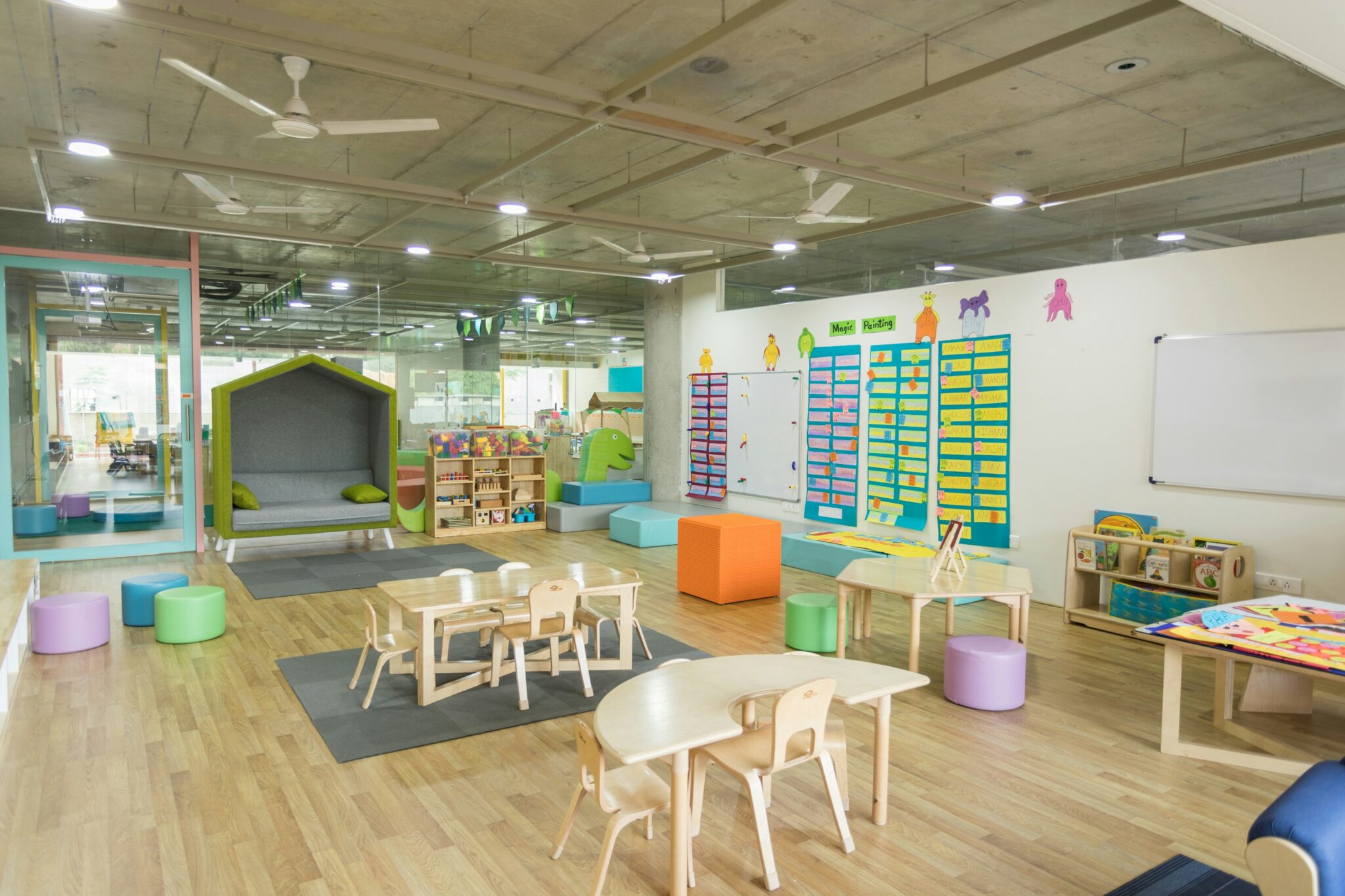
The UK’s private daycare nursery sector is a pillar of early childhood education, presenting vital business opportunities in 2025 amid rising demand, expanding government funding, and new regulatory challenges. Startup costs for a new nursery typically range from £40,000 to £120,000, though larger purpose-built facilities can exceed £150,000 depending on location and specification (Source: Savills UK – Children’s Day Nursery Market in Minutes 2025).
Annual operating expenses are equally substantial, shaped by location, staffing levels, and the scale of operations, and can quickly reach into six figures for even moderate settings. Success depends on tight cost control, effective occupancy management, and rigorous compliance with national standards.
Key Figures:
- Typical startup cost range: £40,000–£120,000
- Average annual operating costs: typically between £130,000 and £400,000 depending on staffing, property and supplies (Coram Family & Childcare – Childcare Survey 2025).
- Expected profit margin (well managed): around 20–30 % for well-managed settings (Savills UK 2025).
- Average occupancy: approximately 78–85 % (Coram Family & Childcare 2025).
- Market projection: UK childcare sector forecast to approach £16 billion by 2030 (Source: Grand View Research 2025).
Government reforms launching in 2025—including the extension of funded hours for toddlers and a 45 % increase in the Early Years Pupil Premium (EYPP) from April 2025 (Source: Department for Education 2025)—offer new growth but place pressure on staffing and margins. Urban operators, especially in London, face high rents (often above £100 per sq ft in prime locations, per Savills UK Education Real Estate 2025) and wage bills, with full-time parent fees now topping £2,000 per month in some London boroughs (Source: Coram Family & Childcare 2025). Meanwhile, rural businesses benefit from lower property costs but must tackle the challenges of limited demand and recruitment difficulties.
A robust business plan for this sector must unpack initial investment, monthly recurring costs, regulatory risk, and funding mechanisms, leveraging verified sector data and professional advice (Savills UK 2025) to ensure sustainable growth.
Startup Costs Breakdown
1. Property Costs
Commercial property is always the largest upfront cost—and the most variable, depending on region, building size, and fit-out requirements.
Acquisition/Lease
- Capital outlay: £20,000–£75,000 deposit for lease/purchase and initial legal/survey fees
- Rental rates:
- UK average: commonly £25–£35 per sq ft on average but varies widely by region (Savills UK 2025).
- London city centre:often well above the national average in premium areas (Savills UK 2025).
- Rural/peripheral towns: sometimes below £25 per sq ft but with lower local demand (Savills UK 2025).
Case Example:
A new 60-child nursery in Southeast London secured a 3,500 sq ft unit at an illustrative annual rent of around £140,000 with a three-month deposit and fees totalling about £40,000 (actual values vary by market).
Renovation & Refurbishment
- Renovations for regulatory compliance (fire exits, DDA/adult/child toilets, safety doors): typically £20,000–£50,000 for urban settings, though costs can rise with specification (Source: Learning Environments 2025).
- Outdoor play area: £8,000–£20,000 (astroturf, play sets, fencing)
- Internal decoration, wall murals, and branding: £2,000–£6,000
- Professional fees (architect, health and safety, building control): £2,000–£5,000
Purchase vs. Renting
- Renting minimises initial capital but may limit long-term value; lease terms range from 5–20 years, with upward-only rent reviews.
- Buying gives potential capital gain and control but requires >£100,000 in cash or heavy borrowing.
Facility Type Impact
- School-based conversions (public/academy partnerships) require council permissions, access agreements, and specialist modifications (£15,000–£40,000 extra compared to standalone units, an estimated £15,000–£40,000 additional cost over standalone units).
2. Regulatory Compliance
Ofsted Registration & Policy
- Application: £220, non-refundable
- Essential policy/protocol documentation: £400–£1,500 depending on scope and provider (Source: gov.uk – Childcare Registration Guidance). Includes safeguarding, staff/child discipline, illness management, complaints, and GDPR policies.
- Supplementary Ofsted advice: Specialist setup support is available from consultancy services (typical market rates £800 upwards).
DBS Checks
- Enhanced checks: £49.50 per enhanced check (from Dec 2024; Home Office).
- All staff—including part-time and volunteers—must pass DBS before unsupervised work.
Insurance
- Public liability insurance: from around £400 to £1,200 per year for comprehensive public and employer liability cover.
- Additional mandatory insurance: fire, equipment, professional indemnity, contents
Local Authority & Health Compliance
- Fire risk assessment: typically £800–£2,100 depending on premises size (required before Ofsted approval).
- Paediatric first aid certification: £100–£200 per person
- Food hygiene certification: £40–£120 per person engaged in meal/snack prep
- Planning permission/licences: £300–£1,500 depending on local authority and scope of works.
Real-World Pitfall
Operators sometimes underestimate time delays or costs due to missed paperwork or inadequate staff training industry surveys have found that a significant proportion of new settings experience opening delays caused by regulatory or training gaps (Coram Family & Childcare 2025).
3. Equipment and Furniture
Overview
A safe, stimulating environment is a key requirement.
- Furniture and fittings: typically £6,000–£15,000, depending on nursery size and equipment quality.
- Safety installations: £2,000–£4,000 for gates, locks, window guards, fire alarms
- Outdoor equipment: £4,000–£12,000 for quality play sets, garden canopy, mud kitchens
- Toys, books, sensory aids: £4,000–£8,000 (cheaper to introduce new sets termly for freshness)
- Kitchen and food storage: £1,500–£3,000 if providing meals/snacks
- IT (computers, tablets, CCTV, parental app): £2,000–£5,000
- Routine replacement/maintenance: factor £1,000/year for ongoing breakages/upgrades
Example Breakdown (48-place nursery, 2025 costs)
- Furniture: £7,200
- Outdoor: £6,100
- Toys/education: £4,400
- Kitchen: £1,900
Best practice: Prioritise new purchases for hygiene and warranty; Ofsted requires valid safety certification for all large play and outdoor equipment.
4. Staffing Setup
Advertising & Recruitment
- Initial advertising: £750–£2,500 (job boards, agencies, open days).
- Recruitment agency fees: £500–£3,000 per placement (varies by seniority)
Screening & Onboarding
- DBS checks: £49.50 per enhanced check (Home Office, 2024)
- Initial induction training: £600–£2,500 total (basic safeguarding, setting induction, paediatric first aid)
- Starter uniform packs (tunic, ID, high-vis): £30–£80 per hire
Pre-Opening Payroll Buffer
To comply with mandatory staff:child ratios, nurseries must employ a minimum team well ahead of the first child’s start date for orientation/training. Onboarding 12 staff at £1,650/mo each (pro rata) for 2 months: approximately £40,000 in pre-opening payroll costs, varying by setting size and pay scale.
Real-World Challenge:
The DfE’s Childcare and Early Years Providers Survey 2024 reported an 18% turnover rate across private early years settings, underscoring the need for staff retention and development strategies.
5. Marketing and Business Development
- Startup marketing: £2,000–£5,000 (website, branding, print media, launch events)
- Local advertising: £300–£1,000 for local press and digital lead gen
- Parent tours and open events: £250–£800 per event
- CRM and management software: £500–£1,200 for first-year license
- Networking memberships: £120–£500/year (NDNA, local providers group)
Critical step: Investment in high-quality visuals and digital presence, especially in competitive urban markets, is linked to higher first-year enrollment and retention rates.
Ongoing Operational Costs
1. Staff Costs
The lion’s share of ongoing expenses—typically 60–70% of total revenue (Source: Learning Environments, 2025)—is staff payroll and benefits.
- Level 3 practitioner: £19,500–£23,500/year each
- Room leader: £22,500–£29,000
- Manager: £34,000–£50,000 in major cities; deputy/assistant manager at £26,000–£34,000
- Apprentice/assistant: £14,000–£18,000
NIC & Pension
- Employer’s NIC: 13.8% on salaries above £9,100
- Workplace pension: 3% employer minimum
Ongoing Training
- CPD, safeguarding updates, new EYFS: £500–£1,200/head/year
Absence & Cover
- High absentee rates mean regular agency outlay, adding 8–12% premium; e.g., one central London provider spent £24,500/year on agency staff.
Example Calculation
A 60-place nursery running at 85% occupancy (50 children) requires about 16–18 FTE staff, total payroll outlay £330,000/year.
2. Property and Utilities
- Rent/mortgage repayments: £60,000–£120,000 (urban); £30,000–£55,000 (non-urban)rightmove+2
- Business rates: £10,000–£22,000/year
- Utilities: £1,100–£2,200/month (energy, water, waste)
- Routine maintenance: £5,000–£12,000/year
- Cleaning contracts: £3,500–£9,000/year
- IT/communications: £2,000–£3,500/year
Facilities Saving Tip
Switching to LED lighting and smart thermostats can reduce utility bills by up to 15%, according to UK energy-efficiency studies (2024), with average annual savings of around £1,800 reported.
3. Consumables, Food & Supplies
- Food: £180–£400 per child/year x 50, e.g. £9,000–£20,000
- Nappies/wipes: £2,000–£4,000
- Educational supplies: £2,000–£4,500
- Seasonal crafts & enrichment: £1,000–£2,500
- Laundry/detergents: £850–£1,900
Many nurseries now offer all-inclusive “bundles” (meals, nappies, wipes, and enrichment) to stand out, commonly charging premium weekly rates as a result.
4. Insurance
Insurable risks are high and premiums reflect this:
- Public liability: £60–£500/year
- Employers’ liability: £500–£1,500
- Contents insurance: £200–£800
- Business interruption: £300–£900
- Professional indemnity: £250–£800
Case Example
For a 60-place nursery: annual package £3,900 (including public, employer’s, professional, property, legal, and cyber risk).
Revenue Models and Pricing
1. Fee Structures and Regional Rates
- England (average, under-2s): £238.95/week full-time; £157.68/week part-time
- Scotland: £230–£270/week for full-time
- Wales: £275–£310/week
- London: £350–£500/week (around £2,000+ per month for premium full-time places [Source: Coram Family & Childcare, Childcare Survey 2025])
- Rural/small-town: £120–£180/week
Rates reflect staff:child ratios and property costs. Higher rates are charged for under-twos and for premium facilities (extended hours, meal plans).
Factors Affecting Fees
- Extended opening hours
- Meal inclusivity (organic/allergy-specific meals = 15–30% premium)
- Extra-curricular programs (language, sports, music)
- Location and catchment affluence
2. Government Funding and Impact
- 30-hour entitlement now impacts funding and parent fees for most pre-schoolers; 2-year-olds and, from September 2025, some 9–23 month-olds receive funding
- Local authority rates (2025):
- 3–4 yrs: £5.22–£5.50/hr
- 2 yrs: £7.10–£7.42/hr
- Under 2s: £9.60–£9.92/hr
- Funding almost always lags against private fee rates, widening the “profitability gap.” Nurseries typically cross-subsidize funded places by encouraging “top-up” extras (meals, enrichment days).
- EYPP (Early Years Pupil Premium): increased by 45% in April 2025, per Department for Education guidance.
Critical revenue tip: Smart billing practices (prompt fee collection, late penalty admin, upselling after-school/holiday clubs) increase net margin and cashflow predictability.
3. Occupancy and Capacity
- National average occupancy (2024–2025): 78–85%
- High-performing settings: Achieve 90+% with competitive marketing and retention
- Practical Maximum: Effective breakeven is at 60–65% occupancy for most nurseries; falling below triggers monthly losses
Admission Management Tactics:
- Rolling admissions vs. termly intake
- Waitlists and staggered start
- “Sibling discount” policies promote retention
Financial Performance and Profitability
1. Margins and EBITDA
- Well-managed, established nurseries: typically operate at 20–30% net margins, with EBITDA multiples around 5–6x in resale and acquisition transactions (Source: Savills UK 2025).
- Small (“boutique”) settings: often see 10–15% margins, though efficiencies or low property costs can improve returns.
- Group/chain operators: achieve lower occupancy cost ratios (around 35%) through economies of scale, centralised purchasing, and flexible staffing structures.
2. Working Capital, Cashflow
- 3–6 months operational funds recommended: £60,000–£170,000 depending on setting size
- Seasonal cash flow patterns: Reception dips post-summer, peak demand in spring/autumn
- Payment structure: Mix of government funding (30–60 days lag), private fees (monthly in advance/arrears)
Sample P&L for a 65-place independent nursery, 85% occupancy
| Income | Amount |
| Fees (private/funded) | £464,000 |
| Expenses | Amount |
| Staffing | £285,000 |
| Rent/Rates | £70,000 |
| Utilities/Maintenance | £20,000 |
| Consumables | £16,500 |
| Insurance | £4,200 |
| Marketing/Other | £14,200 |
| Net Profit | £54,100 |
3. Break-even and Investment Recovery
- Time to break even: 18–36 months for most well-planned startups; up to 48+ months if opening in highly competitive or premium-location markets
- Acquisition path: Buying an existing nursery, profitable nursery can speed up breakeven and reduce risk
- Exit multiples: around 5–6x EBITDA for most 2024–2025 sales, with private equity and group buyers remaining active (Savills UK 2025).
Regional Cost Variations
London & Southeast
- Highest rents and staff salaries: providers often spend 40–55% more than the UK average on rent and wages (Savills UK Education Property 2025).
- Parent demand: Strong; ability to charge premium fees (£350–£500/week)
- Regulatory compliance and staff supply: Extra pressure drives higher recruitment costs and staff turnover
Northern England, Midlands, Wales, Scotland
- Property: 25–40% lower cost base, but also lower fees
- Parent-paid vs. funded places: Higher regional variation and greater reliance on government income
- Case data: In rural areas such as the Scottish Borders, occupancy averages 65–70%, requiring careful budgeting but benefiting from lower competition and strong parental loyalty (Coram Family & Childcare, 2025).
Urban vs. Rural
- Urban: Better access to talent pool and high-demand catchment, but steeper competition and cost base
- Rural: Lower fixed costs, higher marketing outlay, slower time to full occupancy, staffing can be a challenge
Future Outlook and Considerations
Sector Trends 2025–2030
- Growth: Forecasts suggest 4–5% annual growth through 2030 (Source: IBISWorld 2025 / Savills UK 2025).
- Government funding expansion: New entitlements drive occupancy, but margin pressure intensifies as public rates undercut private fees
- Staffing challenge: Sector-wide shortages drive up wages and recruitment bonuses, disproportionately hitting new and single-site nurseries
- Consolidation: Large groups acquiring independents at strong multiples as scale economies become more valuable (see abacusdaynurserysales.com/selling)
Operational Risks
- Regulatory changes: Frequent updates to ratios and training mandates
- Wage pressure: National Living Wage increases
- Energy/utility price spikes
- Unexpected events: Illness outbreaks, safeguarding incidents
Opportunities
- Niche positioning: SEND, bilingual, extended hours, or “forest schools” command premium rates in affluent urban sub-markets
- Secondary revenue: Out-of-school/holiday clubs, food service, birthday/event rentals
Exit Strategies
A robust nursery brand with 3+ years of accounts, good Ofsted history, and predictable occupancy can achieve around 5–6x EBITDA on resale, remaining an attractive opportunity for both business owners and investors (Savills UK 2025).
Conclusion
Running a UK nursery in 2025 requires up-to-date sector knowledge, deep familiarity with staffing and regulatory requirements, genuine financial agility, and a real commitment to operational excellence. While considerable risks exist—especially around payroll, compliance, and property—carefully planned businesses enjoy attractive margins and excellent demand fundamentals. Referencing sector-specific internal experts such as Abacus Day Nursery Sales and seeking professional advice remains essential for both new entrants and established operators.